Sony Releases Surprise PS3 Update 4.92—Nearly 19 Years After Launch
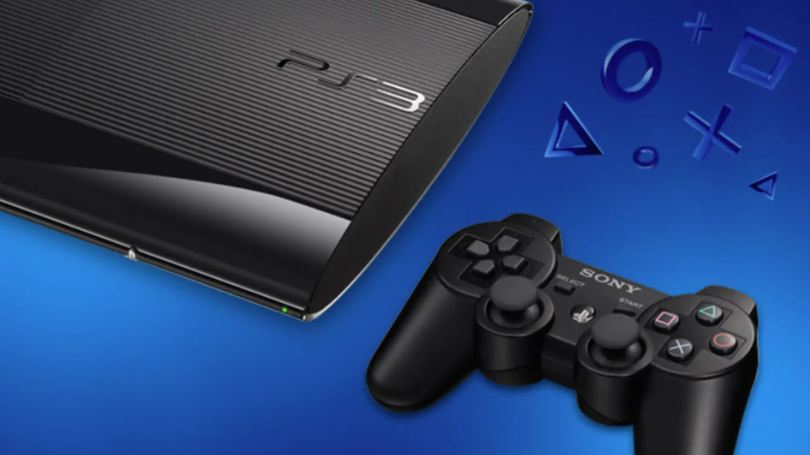
In an unexpected move, Sony has released a new system update for the PlayStation 3, a console that originally launched in 2006. System software update 4.92 is now available, with Sony stating that it “improves system performance.” While this description is typically vague, there’s a strong possibility that the update is primarily focused on renewing the Blu-ray player encryption key, ensuring continued support for physical media playback.
What’s Included in PS3 Update 4.92?
The update, which requires at least 200MB of free space on the console’s hard drive, was officially announced via the Ask PlayStation X (formerly Twitter) account on March 5, 2025. The post directs users to PlayStation’s official website for details on how to install the update and what changes it brings.
Sony’s official update notes emphasize the importance of renewing the Blu-ray encryption key, which is required for the console to continue playing Blu-ray discs. While the update doesn’t introduce any new features or user-facing improvements, the encryption key renewal is crucial for maintaining compatibility with Blu-ray movies and possibly even certain game discs.
This marks the first PS3 system update in over a year, with the last one—version 4.91—released on February 27, 2024. Like many of the recent updates, version 4.91 also cited “system performance improvements” without going into specifics.
PS3 system software update 4.92 is available now ✨
Please check our page for the latest system software features and how to update.
💡 PS3 system software update pic.twitter.com/Ym0sk2iOny
— Ask PlayStation (@AskPlayStation), March 5, 2025
The PlayStation 3’s Legacy and Continued Updates
The PlayStation 3 was first released in Japan and North America in November 2006, with a European launch following in March 2007. Sony had initially unveiled the system at E3 2006, showcasing highly anticipated titles like Metal Gear Solid 4: Guns of the Patriots and Devil May Cry 4. Now, nearly 19 years later, Sony continues to support the console with occasional system updates, primarily focused on security and media playback rather than adding new functionality.
Despite its rocky start due to a high launch price and complex hardware architecture, the PS3 went on to become a major success. Over its lifespan, Sony released multiple redesigns, including the PS3 Slim in 2009 and the Super Slim in 2012, before ultimately selling over 87 million units worldwide.
Sony’s Approach to Legacy Consoles
Interestingly, Sony’s latest PS3 update arrives just one day after the PlayStation 2 celebrated its 25th anniversary. The PS2, which debuted in Japan on March 4, 2000, remains the best-selling home console of all time, with over 155 million units sold. A Redditor recently shared their experience of traveling to Japan to purchase the system at launch, highlighting how PlayStation’s legacy continues to resonate with fans.
Meanwhile, Sony has also continued releasing smaller system updates for the PS5, with a stability update arriving in January 2025. While that patch didn’t introduce any major changes, Sony also removed the 30th-anniversary PS5 themes around the same time—though the company suggested they might return in the future.
What This Means for PS3 Owners
Though the PlayStation 3 is no longer in active production, it remains an important part of gaming history, especially for players who still use the system for classic PlayStation titles, digital purchases, and Blu-ray playback. Sony’s decision to release system update 4.92 suggests that the company is still maintaining at least basic functionality for legacy hardware, particularly when it comes to media support.
For those still using a PS3, this update should be installed to ensure continued access to Blu-ray movies and disc-based games, as failing to update could potentially lead to compatibility issues.
With this latest patch, it’s clear that even as Sony focuses on modern consoles like the PS5 and upcoming next-gen hardware, the company hasn’t fully abandoned its older systems—at least not yet.