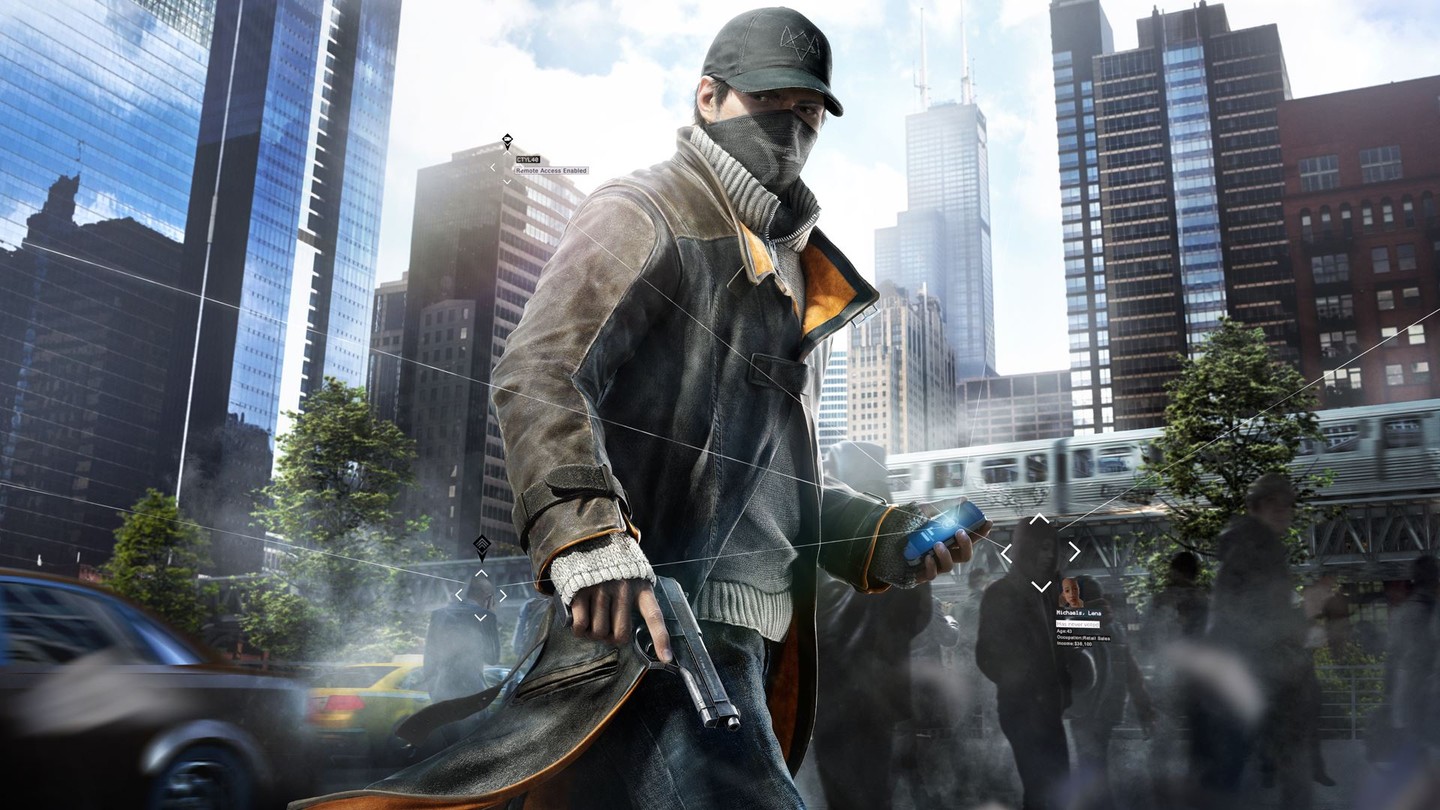

The severe modern turbulence in the video game industry shows no signs of slowing down. In a deepening effort to slice structural costs and steady its volatile financial ship, Ubisoft has officially confirmed the absolute closure of two prominent global support development offices: Ubisoft Winnipeg (Canada) and Ubisoft Belgrade (Serbia).
This latest wave of consolidation puts up to 380 industry professionals out of work across the publisher’s international pipeline, heavily impacting global publishing networks and forcing specialized shifts at remaining locations.
                          [ UBISOFT JUNE 2026 CONSOLIDATION MATRIX ]
                                               │
       ┌───────────────────────────────────────┴───────────────────────────────────────┐
       ▼                                                                               ▼
 [ RECENT OFFICE CLOSURES ]                                                      [ PIPELINE CONSTRAINTS & STRATEGY ]
• Ubisoft Winnipeg: Shuttered (65 jobs cut). Dev tools & engine core.           • Focus Shifting: Less risky net-new IPs, more reliance on safe remakes.
• Ubisoft Belgrade: Shuttered (~100 jobs cut). Major franchise support.       • Creative Houses: Split into 5 distinct operational structural units.
• Barcelona Studio: Restructured (51+ let go). Locked to Rainbow Six only.       • Financial Anchor: Bolstered by a $1.25 Billion Tencent capital injection.
Shuttering the Secondary Support Frameworks
The studios affected by this closure were instrumental parts of the decentralized production model that once allowed Ubisoft to manufacture multiple massive open-world titles simultaneously:
Ubisoft Winnipeg: Founded in 2018 with initial promises to triple its footprint by the end of the decade, the Canadian studio was uniquely specialized. Instead of direct game creation, they focused entirely on backend innovation—developing proprietary procedural open-world tech and tools for the Anvil and Snowdrop engines that powered titles like Assassin’s Creed Valhalla and Far Cry 6.
Ubisoft Belgrade: Operating out of Serbia since 2016, this team served as a critical secondary development anchor, providing vital co-development heavy lifting on major multiplayer and live-service offerings like Tom Clancy’s Ghost Recon Wildlands, The Crew 2, Steep, and Skull & Bones.
Ubisoft Barcelona: While surviving the chopping block, the Spanish studio is undergoing an immediate, rigid transition. Over 50 positions are being eliminated as the office abandons multi-franchise flexibility to operate exclusively as a targeted production house for the Tom Clancy’s Rainbow Six universe.
“Over the past months, Ubisoft has been evolving its organization to simplify how it operates, reduce its cost base, and strengthen the company for the long term. These decisions reflect adjustments to the level of activity following recent portfolio reviews.”
— Official Statement from Ubisoft Corporate Communications
A Fragile 2026 Slate and the Push for Quality
This massive downsizing is the direct byproduct of consecutive financial misses and an industry-wide realization that ballooning AAA development cycles are no longer universally sustainable. Following the cancellation of multiple unannounced games earlier this year, Ubisoft’s remaining lineup for 2026 is noticeably sparse.
To prevent further reputational damage in a brutally competitive consumer market, major heavy-hitters like the next main-line Far Cry and Ghost Recon sequels have been pushed deep into 2027 and beyond to ensure thorough technical polish.
┌─────────────────────────────────────────────────────────────┐
│                 REMAINING UBISOFT 2026 LAUNCHES             │
├──────────────────────────────┬──────────────────────────────┤
│ PROJECT                      │ TARGET SCHEDULED LAUNCH      │
├──────────────────────────────┼──────────────────────────────┤
│ • Assassin’s Creed Black     │ • July 9, 2026               │
│   Flag Resynced (Remake)     │                              │
├──────────────────────────────┼──────────────────────────────┤
│ • Rayman Legends Retold      │ • Autumn 2026                │
│   (3D Remake)                │                              │
└──────────────────────────────┴──────────────────────────────┘
The extensive restructuring occurs beneath an increasingly fractured corporate landscape. While the founding Guillemot family secured a massive $1.25 billion investment from Chinese titan Tencent to restructure the company into five streamlined “Creative Houses,” internal friction remains intensely high. Internal union walkouts and employee protests have flared globally over a strict five-day return-to-office mandate, leaving the publisher to navigate a delicate path forward as it completely rebuilds its historical corporate structure.